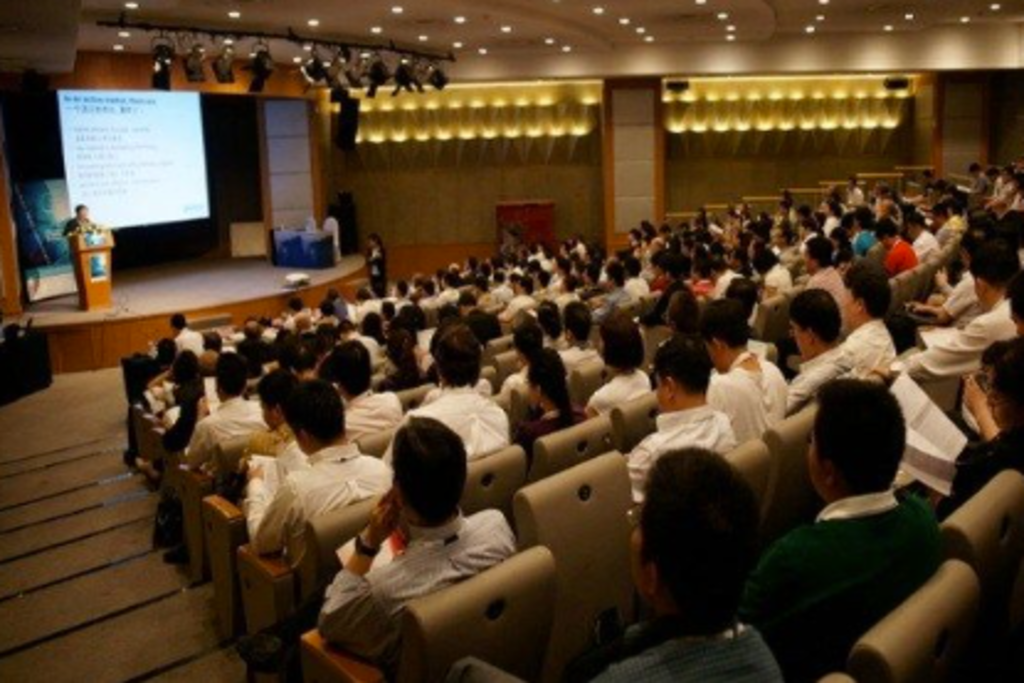
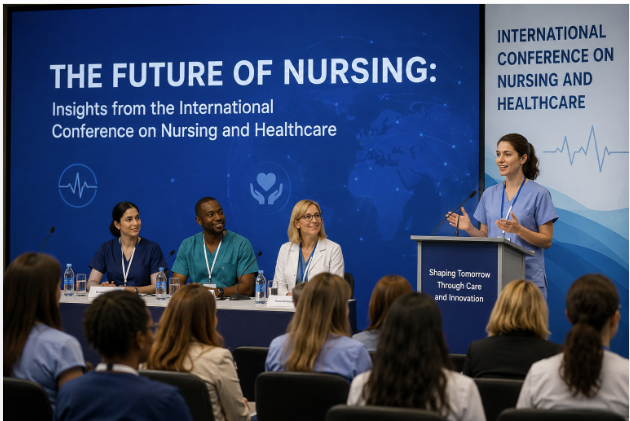
Healthcare industry is entering a transformative era driven by artificial intelligence, digital technologies, personalized medicine, and global collaboration. These developments are reshaping how healthcare professionals learn, share research, exchange knowledge, and build valuable connections. As the industry continues to evolve, future events will become more technology-driven, accessible, interactive, and sustainable. Hybrid and virtual formats, innovative learning experiences, and advanced digital tools will create new opportunities for professional engagement while preserving the human connection that remains essential to healthcare. This resource explores the key trends shaping the future of healthcare events.
How the Healthcare Industry Is Changing
Technology is one of the biggest forces shaping modern healthcare. Artificial intelligence is being used to support diagnosis, analyze medical data, and improve healthcare workflows. Telemedicine and digital health platforms are expanding access to healthcare, while advances in medical research are creating new approaches to prevention and treatment.
These developments create a growing need for professionals to stay informed. Medical conferences provide an important platform for sharing new research, discussing emerging technologies, and learning from experts across different healthcare specialties.
The Evolving Role of Medical Conferences
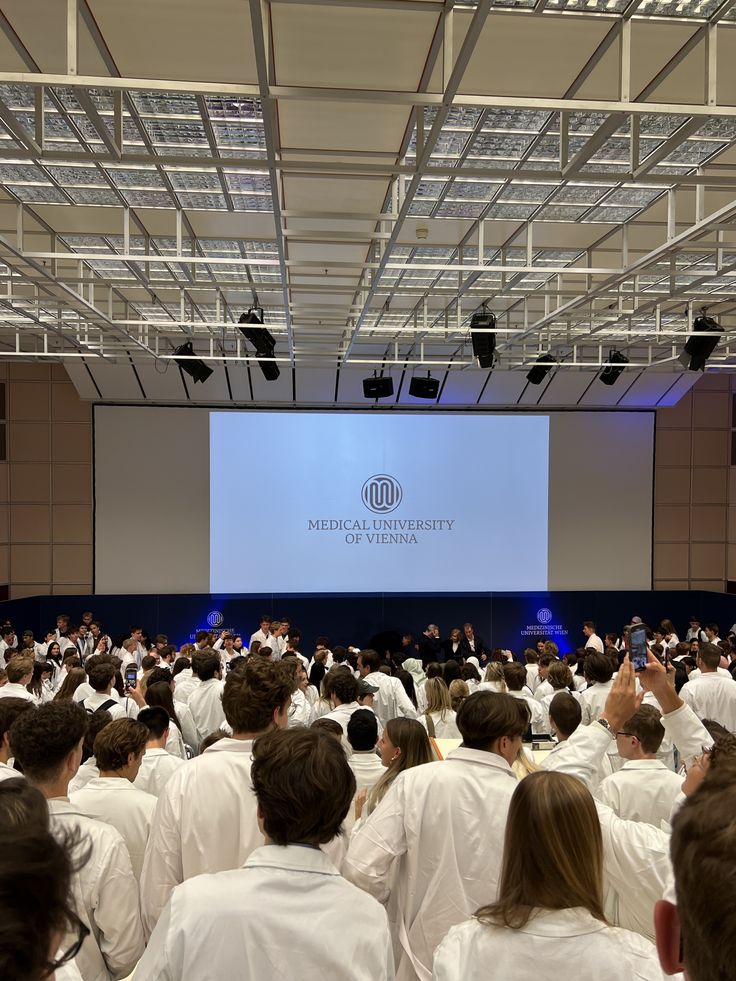
The role of healthcare events is expanding beyond traditional presentations and lectures. Modern conferences are becoming more interactive, engaging, and focused on practical learning. They provide opportunities to explore the latest medical research, clinical developments, technologies, and treatment approaches. These events also bring together doctors, researchers, healthcare organizations, and industry experts to exchange knowledge and build professional connections. By supporting continuing medical education, skill development, and collaboration, conferences help healthcare professionals stay informed and prepared for the rapidly changing healthcare landscape.
Major Trends Shaping the Future of Medical Conferences
Healthcare events are evolving rapidly as technology, digital platforms, artificial intelligence, and interactive tools transform how professionals learn, connect, share knowledge, and participate in industry events.
Hybrid and Virtual Medical Conferences
Hybrid and virtual formats are making healthcare events more accessible, flexible, and convenient, allowing professionals to attend remotely while preserving opportunities for valuable face-to-face interaction and networking.
Artificial Intelligence and Personalized Experiences
Artificial intelligence is creating more personalized conference experiences through intelligent recommendations, customized schedules, targeted networking opportunities, and faster access to relevant sessions, speakers, and educational content.
Immersive Technologies
Virtual reality and augmented reality are introducing immersive learning experiences, enabling healthcare professionals to explore medical procedures, participate in realistic demonstrations, and practice clinical skills through interactive simulations.
More Interactive and Engaging Formats
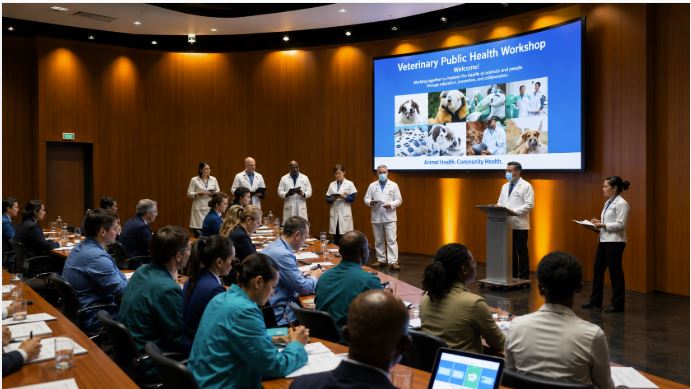
Modern conferences are becoming more interactive through live discussions, audience polls, workshops, case-based learning, and hands-on demonstrations that encourage active participation and practical knowledge sharing.
The Importance of Networking at Future Medical Conferences
Networking will remain an essential part of future healthcare events, providing professionals with opportunities to build meaningful relationships and exchange knowledge. Conferences can connect researchers with clinicians, encouraging collaboration between scientific research and practical healthcare. International participation can also create opportunities for cross-border partnerships, research projects, and knowledge sharing. These connections may lead to new professional opportunities, industry partnerships, and career development. As conferences become more global and technology-driven, networking will continue to support collaboration and innovation across the healthcare sector.
How Technology Will Transform the Conference Experience
Technology is making conference experiences more convenient, connected, and accessible. Mobile applications can provide schedules, updates, speaker information, and event notifications in one place. Digital networking platforms can help attendees connect before, during, and after events. Real-time translation and accessibility tools can support international participation and inclusive communication. Data-driven event management can help organizers understand attendance patterns and improve planning. Additionally, on-demand access to presentations and educational content allows professionals to revisit important sessions and continue learning beyond the conference.
The Role of Medical Conferences in Medical Education
Medical conferences play an important role in supporting continuous learning and professional development across healthcare. They provide access to continuing medical education, new research findings, emerging treatment approaches, and advances in clinical practice. Workshops and practical sessions help professionals strengthen their skills and apply new knowledge effectively. Conferences also encourage knowledge sharing between different medical specialties, allowing experts to exchange experiences, discuss complex challenges, and explore innovative approaches that can contribute to improved patient care and healthcare outcomes.
What Healthcare Professionals Can Expect From Future Conferences?
Future conferences will offer healthcare professionals more flexible, personalized, and connected learning experiences. Attendees can expect customized educational content based on their interests, greater access to international experts, and the choice to participate online or in person. New technologies will make networking and collaboration easier across countries and specialties. Professionals will also benefit from faster access to emerging medical research, clinical developments, and innovative healthcare solutions, helping them stay informed and adapt to the rapidly changing healthcare environment.
The future of medical conferences will be shaped by hybrid participation, artificial intelligence, immersive technologies, interactive learning, and greater accessibility. As healthcare continues to change, innovation and adaptability will be essential for creating valuable professional experiences. Future events will increasingly combine advanced technology with education, networking, research sharing, and collaboration. At the same time, meaningful human connection will remain an important part of professional engagement. By balancing digital innovation with personal interaction, medical conferences can continue supporting knowledge, collaboration, and progress across the healthcare industry.
Also Read :How to Prepare a Research Presentation for a Medical Conference?