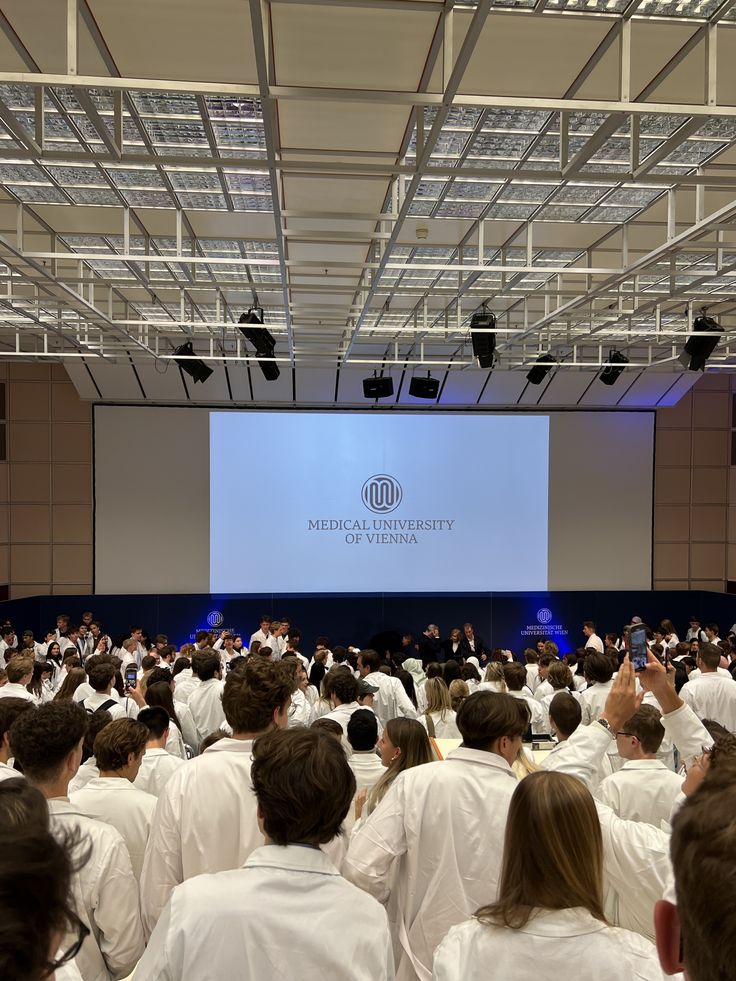
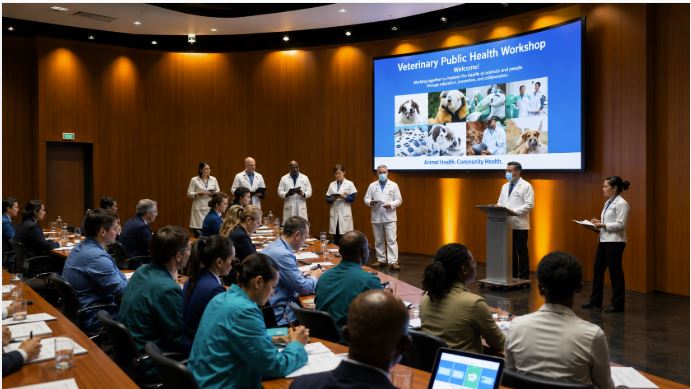

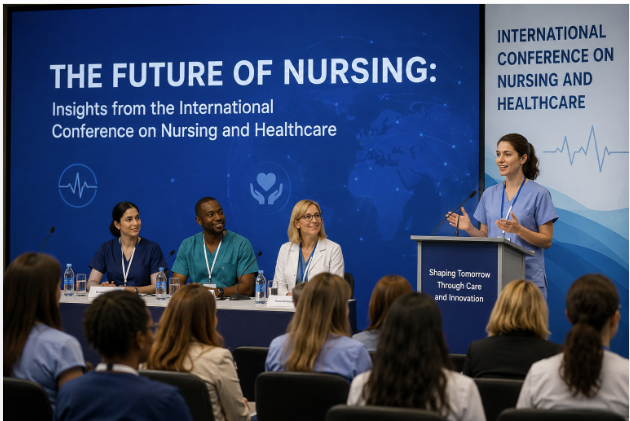
Medical conferences are more than educational events; they provide valuable platforms for collaboration, career advancement, research partnerships, and professional growth. These gatherings allow healthcare professionals to exchange knowledge, explore innovations, and develop meaningful professional relationships. Networking with physicians, specialists, researchers, healthcare organizations, industry experts, and medical technology innovators can create new opportunities. Attending a Conference for Medical Professionals helps participants connect with the right experts and communities. However, with hundreds or thousands of attendees, finding the most valuable networking opportunities requires careful planning, preparation, and a strategic approach.
Why Networking at Medical Conferences Is Essential for Healthcare Professionals?
Networking at medical conferences plays a vital role in helping healthcare professionals expand their careers, knowledge, and professional connections. These interactions can open doors to research collaborations, speaking opportunities, career advancement, and valuable mentorship relationships. Conversations with experts also provide insights into emerging healthcare technologies, evolving clinical practices, and the latest research developments beyond conference sessions. By actively engaging with peers and industry leaders, medical professionals can strengthen their visibility, credibility, and reputation within healthcare communities while building long-term professional relationships.
How to Identify the Right Medical Conferences for Networking
Choosing the right medical conferences is essential for building valuable professional connections and achieving networking goals. Healthcare professionals should consider factors such as specialty alignment, research interests, career stage, and professional objectives when selecting events. Specialists may seek conferences focused on research partnerships, while early-career professionals may prioritize mentorship opportunities, and executives may look for industry connections. Reviewing attendee profiles, speaker lists, exhibitors, participating organizations, past attendees, and networking programs helps identify conferences that offer the most relevant and impactful opportunities.
Where Are the Best Networking Opportunities During Medical Conferences?
Medical conferences offer numerous networking opportunities where healthcare professionals can build meaningful relationships and exchange ideas. Informal gatherings such as welcome receptions, networking breakfasts, and evening events often encourage open conversations and stronger connections. Educational sessions and workshops create natural opportunities to interact through shared learning experiences and discussions. Exhibition halls and industry areas also allow attendees to connect with healthcare companies, medical technology providers, and research organizations, helping professionals discover innovations, explore collaborations, and expand their professional networks.
Effective Networking Strategies for Medical Professionals at Conferences
Effective networking at medical conferences begins with clear goals and thoughtful preparation. Healthcare professionals can maximize connections by identifying what they want to achieve, such as meeting specialists, finding research collaborators, or connecting with industry leaders. Preparing a concise professional introduction also helps create meaningful conversations. By sharing their name, specialty, professional interests, and networking objectives, attendees can make strong first impressions, communicate their expertise, and build valuable relationships that support career growth and collaboration.
How Can Medical Professionals Follow Up After Conferences?
Following up after medical conferences helps professionals transform new contacts into meaningful long-term relationships. A strategic follow-up approach includes sending personalized messages that reference previous conversations, shared interests, and possible next steps. Organizing contacts with notes and categories makes future communication easier and more effective. Continued engagement through sharing research, interacting with professional updates, and scheduling discussions helps maintain connections. These efforts support collaboration, knowledge exchange, and career growth within the healthcare community.
How to Measure the Success of Conference Networking Efforts
Evaluating networking success after a medical conference helps professionals understand the value of their connections and identify areas for improvement. Measurable outcomes can include the number of meaningful relationships established, follow-up conversations scheduled, and potential research or collaboration opportunities created. Tracking professional relationships developed and career opportunities generated also provides insight into the long-term impact of networking activities. By reviewing these results, medical professionals can refine their approach and make future conference participation more productive.
Future Trends in Medical Conference Networking
Medical conference networking is evolving with new technologies and digital solutions that make professional connections more efficient and personalized. AI-powered networking platforms, hybrid conference experiences, and virtual professional communities are creating new ways for healthcare professionals to interact beyond traditional events. Digital healthcare collaboration spaces enable continuous knowledge exchange, while personalized attendee matchmaking helps connect individuals with shared interests, specialties, and goals. These emerging trends are transforming how medical professionals build relationships, collaborate on research, and discover career opportunities.
Successful networking at medical conferences depends on careful preparation, active participation, and consistent follow-up. When approached strategically, conferences become more than learning events they become valuable opportunities to build professional relationships, exchange knowledge, and discover new possibilities for collaboration and career advancement. Medical professionals should focus on creating authentic connections that go beyond brief interactions. By nurturing these relationships through continued engagement, they can support lifelong learning, research partnerships, professional growth, and meaningful contributions to the healthcare community.
Global Academic Conference Industry: Key Statistics, Market Size, and Growth Trends (2025–2027)
Research Ethics: Why Ethical Considerations Matter in Every Study
How Many NCAA Conferences Are There in Different Sports and Divisions?
The Rise of Alternative Credentialing and Career-Focused Education
Conferences at Gaylord Palms Upcoming Schedule
Latest Updates on Academic Conferences Around the World!